
Clearer vision can reduce your dependence on eyeglasses or contact lenses, but laser eye treatment is still a medical procedure. Choosing where to have it done should involve more than comparing prices, looking at advertisements, or selecting the nearest clinic.
The quality of your eye examination, the surgeon’s experience, the technology used, and the care provided after the procedure can all affect your experience and results. Before making a decision, take time to evaluate both the clinic and the eye doctor carefully.
Start With a Complete Eye Examination
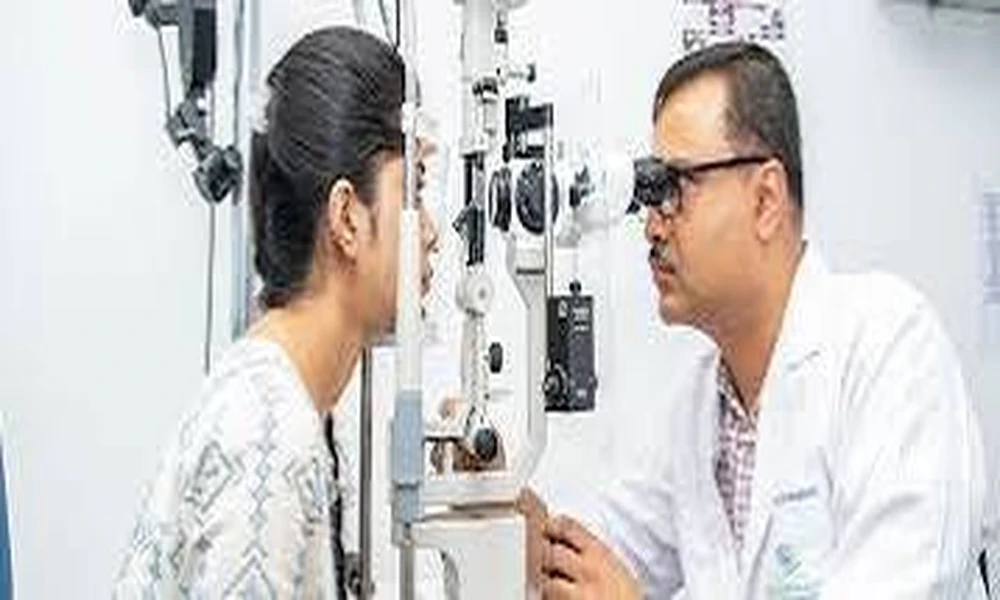
A trustworthy clinic should not recommend treatment until it has completed a detailed eye assessment. This examination determines whether laser vision correction is appropriate for your eyes.
The evaluation may include checking your current prescription, corneal thickness and shape, pupil size, tear production, and overall eye health. Your doctor should also ask about medications, medical conditions, previous eye problems, and changes in your vision.
Be cautious if a clinic appears ready to schedule surgery after only a basic vision test. Not everyone is a suitable candidate. Thin or irregular corneas, unstable vision, severe dry eye, pregnancy, and certain health conditions may make LASIK unsuitable or require additional evaluation.
Check the Eye Doctor’s Qualifications and Experience
The surgeon should be a licensed ophthalmologist with training and practical experience in laser vision correction. An ophthalmologist is a medical doctor qualified to diagnose eye conditions and perform eye surgery.
Questions to Ask the Surgeon
- How long have you performed laser vision correction?
- How frequently do you perform the procedure?
- Which LASIK methods and laser systems do you use?
- Have you treated patients with an eye prescription similar to mine?
- Who will handle my consultations and follow-up appointments?
- What happens if I experience a complication?
- Under what circumstances would you advise someone not to proceed?
The doctor should answer these questions clearly and without making you feel rushed. Experience matters, but honesty and communication are equally important. A responsible surgeon will explain what the procedure may achieve and where its limitations lie.
Assess the Clinic’s Equipment and Safety Standards
When comparing providers for lasik surgery Philippines, ask what diagnostic and surgical technology the clinic uses. Modern equipment can provide detailed measurements of the cornea and help the surgeon prepare a treatment plan based on the characteristics of your eyes.
Technology alone, however, does not guarantee a good result. Advanced equipment must be properly maintained and operated by trained professionals. The clinic should be able to explain its safety procedures, equipment maintenance practices, and infection-control standards in simple terms.
Look around during your visit. Treatment and examination areas should appear clean, organized, and professionally managed. Staff members should follow clear procedures rather than giving inconsistent instructions.
Compare Treatment Options, Not Just Package Prices
Clinics may offer different forms of laser vision correction. The best option depends on your prescription, corneal condition, lifestyle, age, and visual needs.
A consultation for lasik Philippines should help you understand why a particular procedure is being recommended. The doctor should discuss suitable alternatives if standard LASIK is not the right choice for you.
Avoid choosing a clinic based only on a low advertised price. The initial amount may not include diagnostic tests, medicines, follow-up visits, or possible enhancement procedures. Request a written breakdown showing exactly what the package covers.
A higher price does not automatically mean better care. Likewise, the cheapest offer may become expensive if essential services are excluded. Compare the complete treatment plan instead of one promotional figure.
Review the Clinic’s Consultation Process
A good consultation should feel educational, not sales-driven. You should have enough time to understand the procedure, expected recovery, possible side effects, and realistic outcomes.
Watch for Warning Signs
Think carefully before choosing a clinic that:
- Promises perfect vision or guaranteed results
- Pressures you to pay immediately
- Offers surgery without a thorough assessment
- Avoids discussing risks and limitations
- Provides unclear information about the surgeon
- Cannot explain what its quoted price includes
- Dismisses your questions or concerns
LASIK can reduce dependence on glasses, but it may not remove the need for them in every situation. Some people may still need reading glasses as they age. Possible side effects can include temporary discomfort, dry eyes, glare, halos, light sensitivity, and changes in night vision. These concerns should be discussed before you provide informed consent.
Examine the Follow-Up Care Plan
Care should continue after the procedure. Follow-up appointments allow the doctor to monitor healing, check your vision, and identify potential concerns early.
Ask how many appointments are included and whether the operating surgeon will be available if a problem develops. You should also receive written instructions covering prescribed eye drops, activities to avoid, eye protection, and symptoms that require urgent attention.
A clinic that focuses heavily on booking the procedure but gives little information about recovery may not provide the support you need.
Consider Accessibility and Communication
Location should not be your only deciding factor, but it still matters. You may need several visits for examinations, surgery, and follow-up care. Choose a clinic that you can reach without unnecessary difficulty.
Pay attention to how the team communicates. Staff should respond to questions clearly, explain scheduling and payment policies, and tell you whom to contact after surgery. Reliable communication becomes especially important if you experience unexpected symptoms during recovery.
Get a Second Opinion When Necessary
You do not have to proceed with the first clinic you visit. A second opinion may help if you receive different recommendations, feel uncertain about your eligibility, or believe the consultation was focused more on selling than assessing your eyes.
Compare the reasoning behind each doctor’s recommendation. The goal is not simply to find someone willing to operate. It is to find a qualified professional who can determine whether the procedure is safe and suitable for you.
Make an Informed Final Decision
The right LASIK clinic should offer a careful screening process, an experienced ophthalmologist, suitable technology, clear pricing, realistic expectations, and dependable follow-up care.
Do not let discounts or promises of fast results decide for you. Take time to ask questions, review the proposed treatment, and understand the possible benefits and risks. Your final choice should be based on medical suitability, professional trust, and the clinic’s ability to care for your eyes before, during, and after the procedure.