
A healthy mouth often depends on steady attention before small concerns become larger problems. Modern dental offices now combine careful assessment plus clear communication to make each appointment easier to understand. People visiting a dentist anchorage office often want accurate guidance that fits their personal oral care needs. Updated equipment helps professionals examine teeth more closely while thoughtful conversations reduce uncertainty. This combination supports informed choices throughout routine visits plus longer care plans.
Modern Methods Improve Dental Assessments
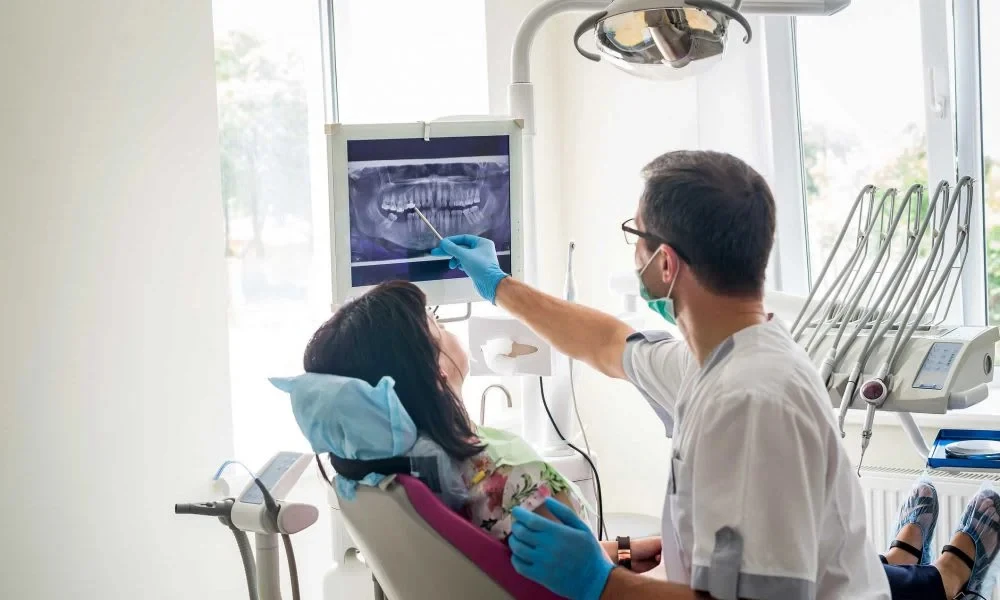
Current examination methods help dental teams notice small changes more clearly. Detailed images provide useful information about teeth plus surrounding areas.
Accurate findings also help professionals explain concerns using simple terms. Patients can therefore understand what needs attention before making decisions.
Clear Planning Supports Personal Needs
Every person arrives with different oral conditions plus personal concerns. A careful discussion helps the dental team understand those individual priorities.
Treatment planning can then follow realistic needs rather than fixed routines. Clear steps also make future appointments easier to prepare for.
Care Features Supporting Better Appointments
Thoughtful dental visits combine useful tools plus organized communication. Small details can make each stage easier for patients to follow.
- Detailed scans provide clearer views of difficult tooth areas.
- Gentle examinations help identify concerns before discomfort becomes more noticeable.
- Simple explanations allow patients to understand suggested care more easily.
- Organized scheduling reduces confusion around future dental appointment requirements.
- Personal records help professionals follow oral changes across regular visits.
- Clear cost discussions support informed choices before planned dental procedures.
- Updated instruments allow precise work during many routine dental appointments.
- Regular reviews help maintain steady attention toward changing oral needs.
Communication Shapes Better Care Decisions
Good communication creates a clearer connection between examination findings plus suitable care choices. Patients need enough information before agreeing to any procedure.
Resources such as emeraldpeakdental.com may also provide useful details about available dental services. Direct conversations remain important because personal questions require answers based on individual conditions.
Consistent Monitoring Guides Future Decisions
Routine checks provide useful information about changes that develop gradually. Previous records allow dental teams to compare current findings against earlier conditions. This steady review can support timely decisions without unnecessary procedures.
Common Dental Questions People Often Consider
People commonly have simple questions before routine dental appointments. Clear answers can reduce uncertainty plus support better preparation.
- How often should routine dental examinations occur? Timing depends on individual needs.
- What happens during regular checkups? Professionals examine teeth plus surrounding tissues.
- Should small dental changes receive attention? Early review may prevent larger concerns.
- What information should patients share? Previous dental history supports accurate planning.
- Are modern scans useful? They provide detailed views during careful assessments.
- When are follow-up visits needed? Timing depends on recommended care.
Balanced Methods Support Ongoing Oral Care
Modern dentistry works best when accurate examination supports clear personal communication. Updated tools provide useful detail while individual planning keeps decisions relevant. Regular reviews also create a reliable record of oral changes. This balanced process helps people manage dental needs through informed choices rather than rushed decisions.
Steady Attention Creates Dentist Anchorage Better Outcomes
Reliable oral care depends more on consistent action than perfect routines. Clear discussions help people understand their current needs plus future responsibilities. Careful monitoring allows changing conditions to receive suitable attention at the right time. Modern methods strengthen accuracy while personal communication keeps decisions understandable. A steady approach ultimately creates a more manageable path toward lasting oral care.