

Sleep apnea is a serious condition that disrupts your breathing during sleep, leading to poor quality rest and potential health complications such as heart disease and high blood pressure. Managing sleep apnea effectively requires a combination of lifestyle changes and medical interventions.
Here are five effective ways to improve your sleep apnea and enhance your overall quality of life.
1. Adopt a Healthy Weight Management Plan
Obesity is one of the leading risk factors for obstructive sleep apnea, as excess weight can lead to fat deposits around the airway, restricting airflow. Losing even a modest amount of weight can significantly improve symptoms.
Incorporate a balanced diet rich in fruits, vegetables, lean proteins, and whole grains, and pair it with regular physical activity. Maintaining a healthy weight not only reduces the severity of sleep apnea but also improves overall health, making it a foundational step in managing the condition.
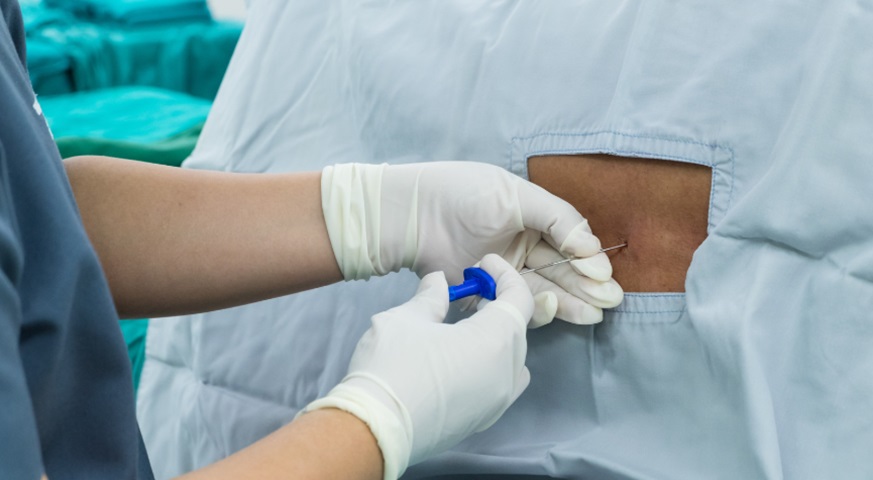
2. Consider a Sleep Apnea Procedure for Long-Term Relief
For individuals with severe sleep apnea or when other treatments fail, undergoing a medical procedure might be the most effective option. Procedures such as uvulopalatopharyngoplasty (UPPP), Inspire therapy, or nasal surgeries can help open up the airway and reduce breathing interruptions during sleep.
Consulting with a sleep specialist will help determine the most suitable sleep apnea procedure based on the severity and cause of your condition. These treatments often provide long-term relief and can significantly improve sleep quality and overall well-being.
3. Use a CPAP Machine Consistently
Continuous Positive Airway Pressure (CPAP) therapy is one of the most effective treatments for sleep apnea. A CPAP machine delivers a steady stream of air through a mask, keeping your airway open while you sleep. To maximize its benefits, ensure your mask fits properly and use the machine consistently every night.
While adjusting to a CPAP machine may take time, it can drastically improve your sleep quality and reduce associated health risks. Regular follow-ups with your doctor can help fine-tune the device for maximum comfort and effectiveness.
4. Modify Your Sleeping Position
Sleeping on your back can worsen sleep apnea symptoms by allowing the tongue and soft tissues to collapse into the airway. Switching to a side-sleeping position can help keep your airway open and reduce breathing interruptions. Using a body pillow or a positional therapy device can make it easier to maintain this position throughout the night.
Elevating the head of your bed slightly can also alleviate symptoms by reducing pressure on the airway. Small adjustments to your sleeping habits can have a significant impact on managing sleep apnea.
5. Limit Alcohol and Sedative Use
Alcohol and sedatives relax the muscles in your throat, increasing the likelihood of airway obstruction and worsening sleep apnea. Avoid consuming alcohol, especially in the evening, and consult with your doctor about any sedative medications you may be taking.
If necessary, explore alternative medications or treatments that do not interfere with your sleep apnea. Eliminating these substances from your routine can lead to noticeable improvements in your breathing and sleep quality.
In conclusion, improving sleep apnea requires a comprehensive approach that includes lifestyle changes, medical treatments, and consistent effort. From weight management and CPAP therapy to considering medical procedures, each step plays a critical role in managing this condition.